



Wing Shooting
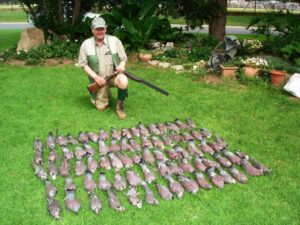
Experience the excitement of world-class wing shooting in the heart of South Africa’s premier bird hunting regions. African Game Hunts offers unforgettable 5, 7, and 9-day wing shooting packages designed for sportsmen seeking fast action, diverse bird species, and authentic African hospitality. Hunt over thriving populations of dove, pigeon, francolin, guinea fowl, duck, and geese while enjoying comfortable lodging, exceptional cuisine, and professional guiding. Whether added to a plains game safari or enjoyed as a dedicated bird hunting adventure, these packages deliver thrilling days in the field and unforgettable memories in Africa.
African Game Hunts is well known for its wingshooting opportunities in the Orange Free State Province in the central part of South Africa. Our lodges are located only four hours drive south of Johannesburg. Bloemfontein hunters can fly in and out of the Bloemfontein airport for added convenience.
The Free State is an area with a high population of game birds including geese, duck, francolin, guinea fowl, pigeon and dove. German Short Hair Pointers are used often during the francolin and guinea fowl hunts.
Clients are met at the airport by an African Game Hunts representative and transported to the accommodations. The spacious homes offer all the amenities to relax in comfort after a full day of hunting. Home cooked meals will be provided with the addition of fowl, francolin and quail to the menu. World known South African wines, spirits and beer are available whenever requested.
There will be the opportunity to both wingshoot as well as plains game hunt, should the hunter be interested.
Hunting:
Within a short drive there are a variety of wingshooting areas offering a wide array of landscapes to attract local fowl. Much of the dove and pigeon shooting is done over sunflower fields and as in South America, there are no limits. There is the opportunity to hunt with both 12 gauge and 20 gauge shotguns. Hunters can bring their own or use what is available at the lodge. No semi automatic guns are allowed into South Africa.
Getting There:
Most of the hunters fly direct to Johannesburg from Atlanta, Washington, DC or New York. Flights can also be routed through Europe.
Climate:
The hunting season runs from March through September. Weather in the Orange Free State can bring winter temperatures of freezing in the evenings. These intermittent cold nights yield to a good bit more warmer days. The duck hunting is prodigious despite the onset of warmer daytime temperatures.
Meals:
Meals are prepared by the professional hunter and his wife. They have been serving as hosts to hunters from around the world for many years. The supply of protein will be plentiful. You will be driven to the store to choose which type of alcohol you would like to purchase for consumption during your stay.
Best Months to Hunt Different Bird Species
| Months of Availability | Types of Birds | |||||
| Doves | Ducks | Francolin | Geese | Guinea-fowl | Pigeons | |
| March |  |
|
||||
| April | |
|
||||
| May | |
|
|
|
||
| June | |
|
||||
| July | |
|
||||
| August | |
|
|
|
||
| September | |
|
|
|
||




BIRD SPECIES
DUCKS
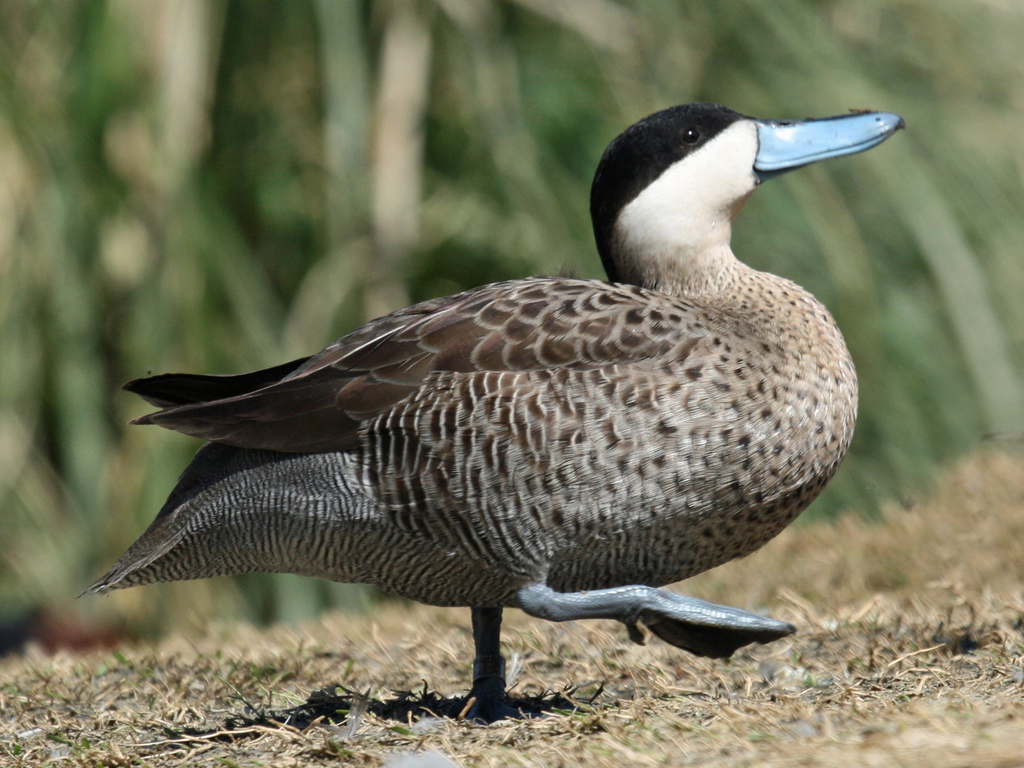
Hottentot Teal
(Anas erthrorhyncha)
Similar to the Redbilled Teal, but with a blue bill.
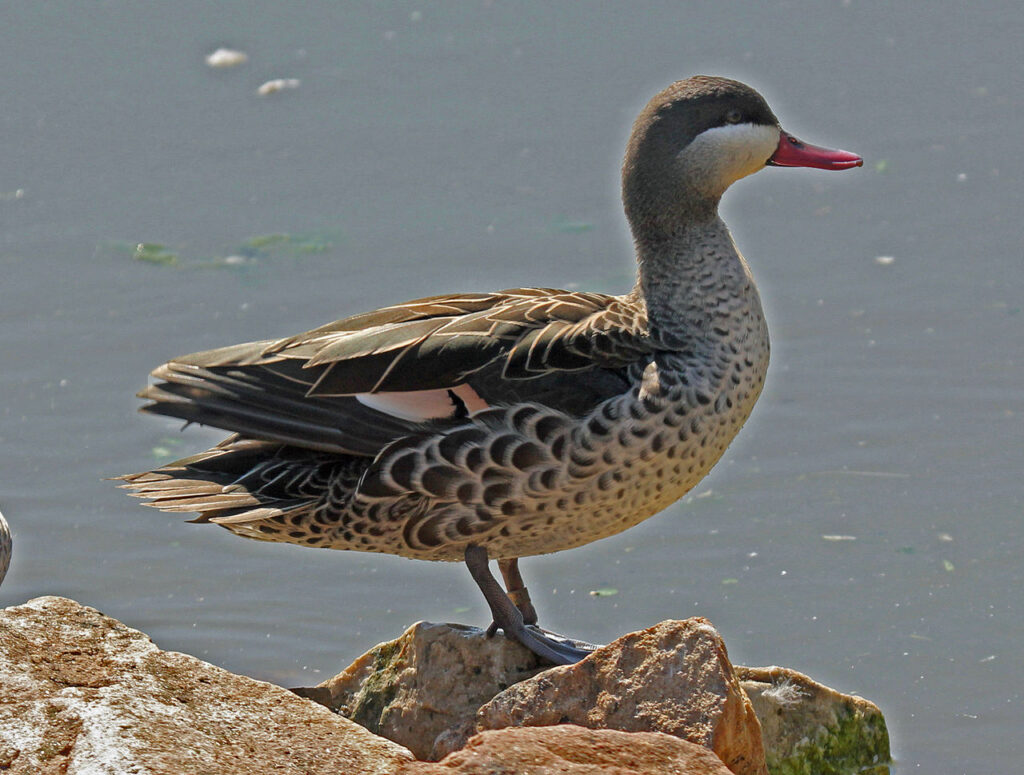
Redbilled Teal
(Anas erthrorhyncha)
A small brown duck, with a dark crown cap above a clear, buffy-white cheek and throat and red bill, the Redbilled Teal is quiet bird. The male gives a soft whiz-zet call.
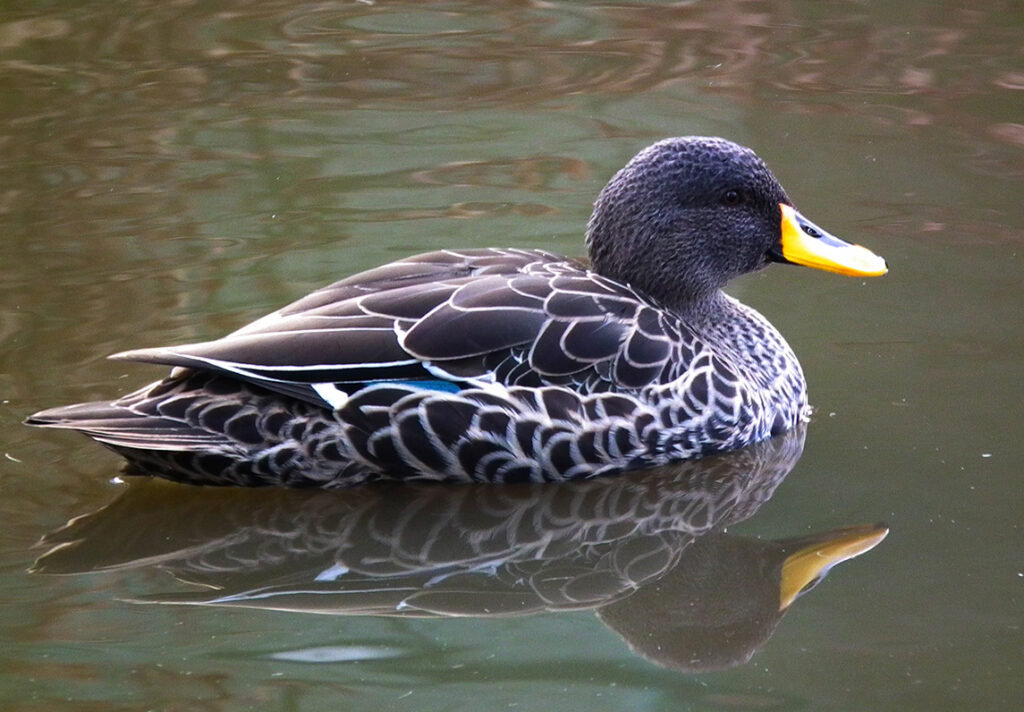
Yellowbilled Duck
(Anas undulata)
A brown duck, with a distinct, long yellow bill with a black saddle, the Yellowbilled Duck duck has a thin neck and head with green wingtips.
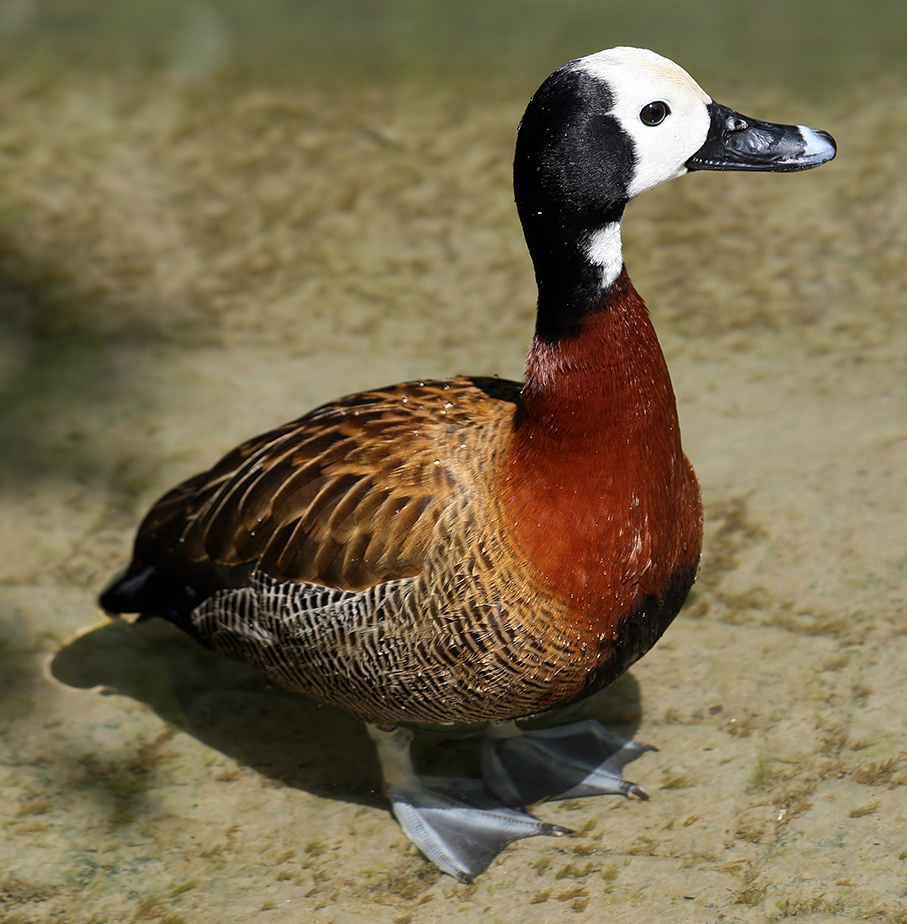
Whitefaced Duck
(Dendrocygna viduata)
A large, long necked, goose-like duck, the Whitefaced duck has a white head and throat with a dark eye and a black nape and back of neck. The lower neck and chest are a rich chestnut color. Wings are black with chestnut shoulders. They have a very distinctive call which sounds like swee-swee-sweeoo.
GEESE
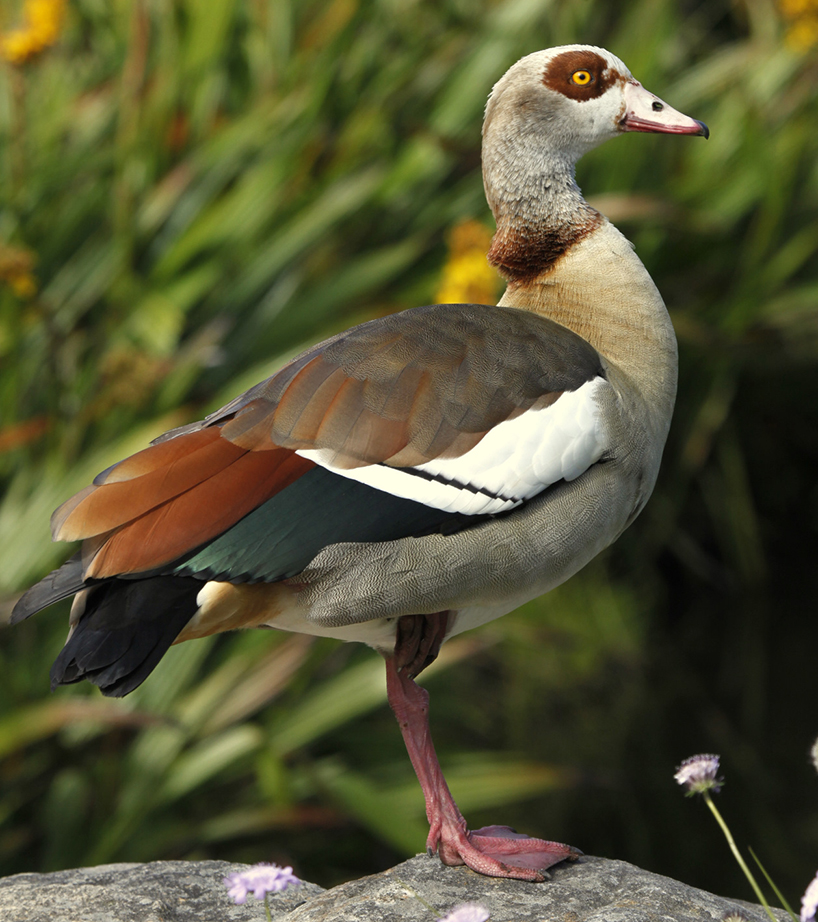
Egyptian Goose
(Alopochen aegyptiacus)
A large, pale gray and brown goose, the Egyptian Goose boasts a large, oval chestnut patch around the orange eye. The pale breast often has a dark spot. The back of the wings have white shoulders with chestnut and green wing tips. Life pairs are formed upon maturity. The Egyptian goose is the most commonly seen member of the family. Once sacred in Egypt, its numbers have been growing steadily after almost being driven to extinction.
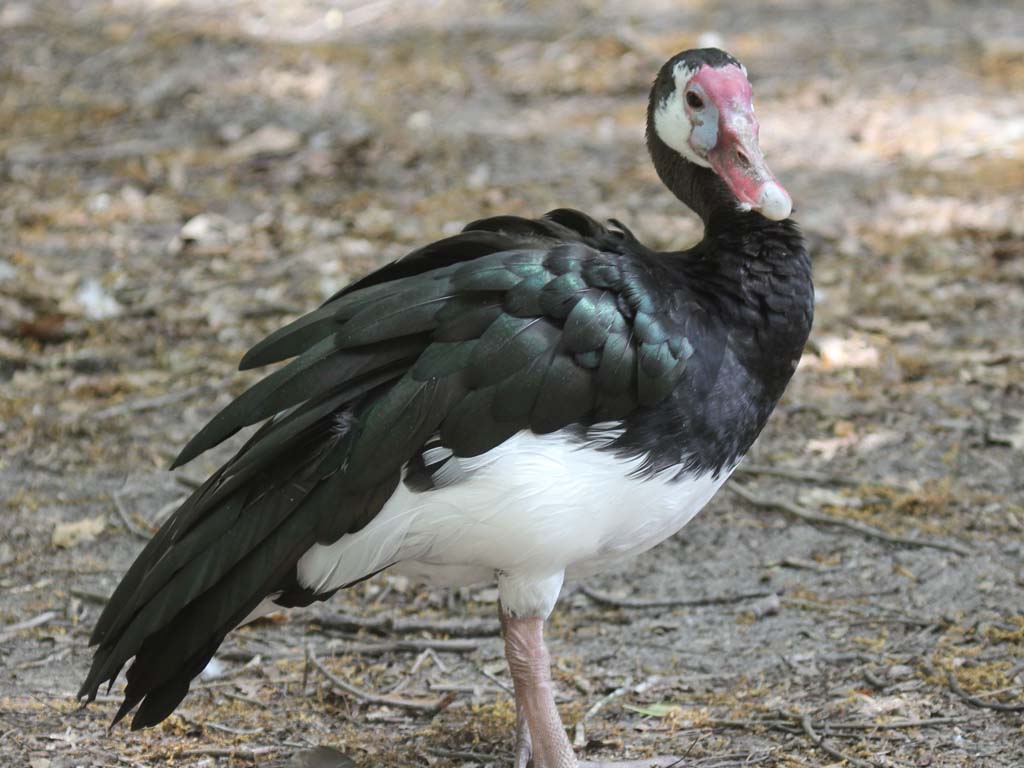
SPURWING GOOSE
(PLECTROPTERUS GAMBENSIS)
The largest African waterfowl, the Spurwing goose approaches the swan in size. Plumage varies but most adults are dark with a greenish brown-black color and a white face and belly. Their bill is long and pinkish.
FRANCOLINE
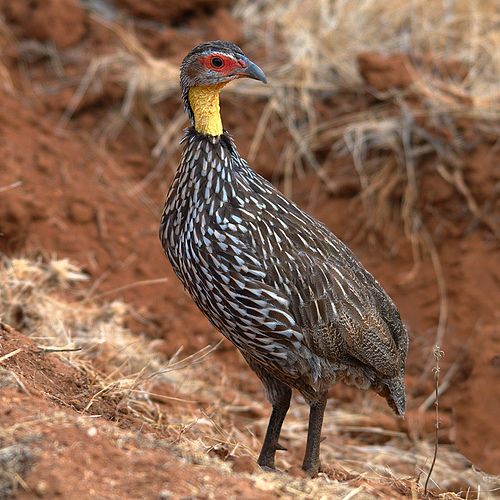
COQUI FRANCOLIN
(FRANCOLINUS COQUI)
This francolin is small with a small based, yellow bill and bright yellow legs. The male has a plain, buffy orange head with a chestnut crown. The breast is black and white. The female is distinctive with a white eye line and white throat bordered with black plumage. It’s call sound like its name-co-qui.
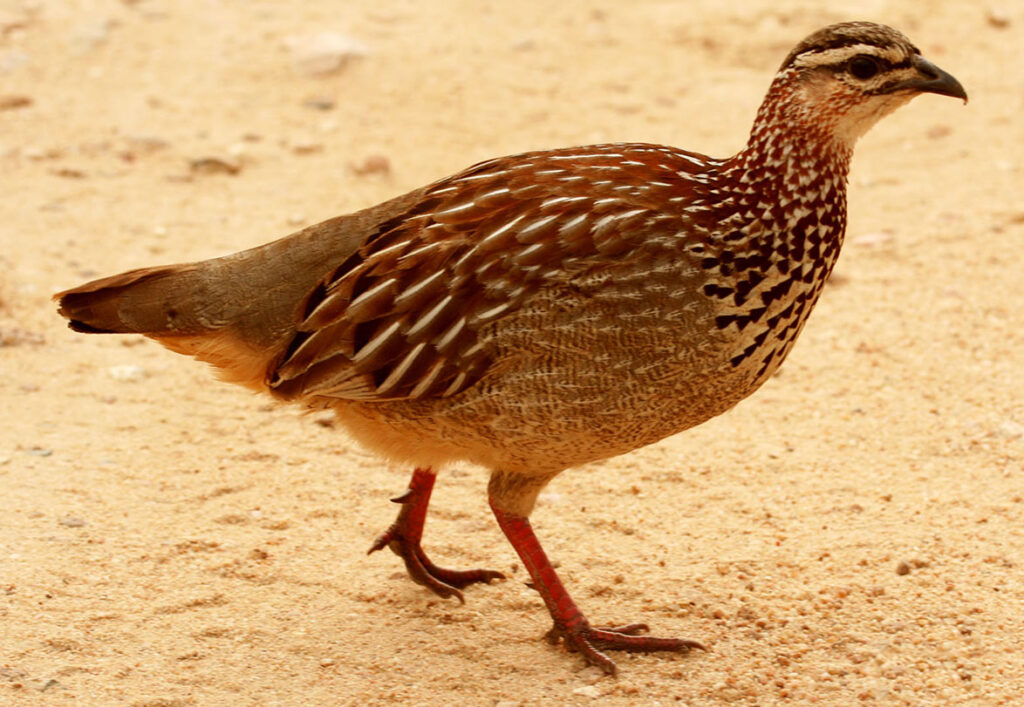
CRESTED FRANCOLIN
(FRANCOLINUS SEPHAENA)
With a solid black or brown crown, this species boasts a contrasting clear white line over the eye and dark line through the eye. The chest is covered with heavy white streaked plumage with dark brown spots. It has a small blackish bill with red legs. The male has spurs. The call sounds like kerra-kreek and is repeated about 8 times, especially when called by its neighbors.

SWAINSONS FRANCOLIN
(FRANCOLINUS SWAINSONI)
This species is native to South Africa and shows a black bill, bare red skin around the eye and on front of neck with black legs. The chest is brownish gray with numerous fine white bars. This bird gives a hoarse crackle call of ka-waark up to 10 times at dawn and dusk.
OTHER
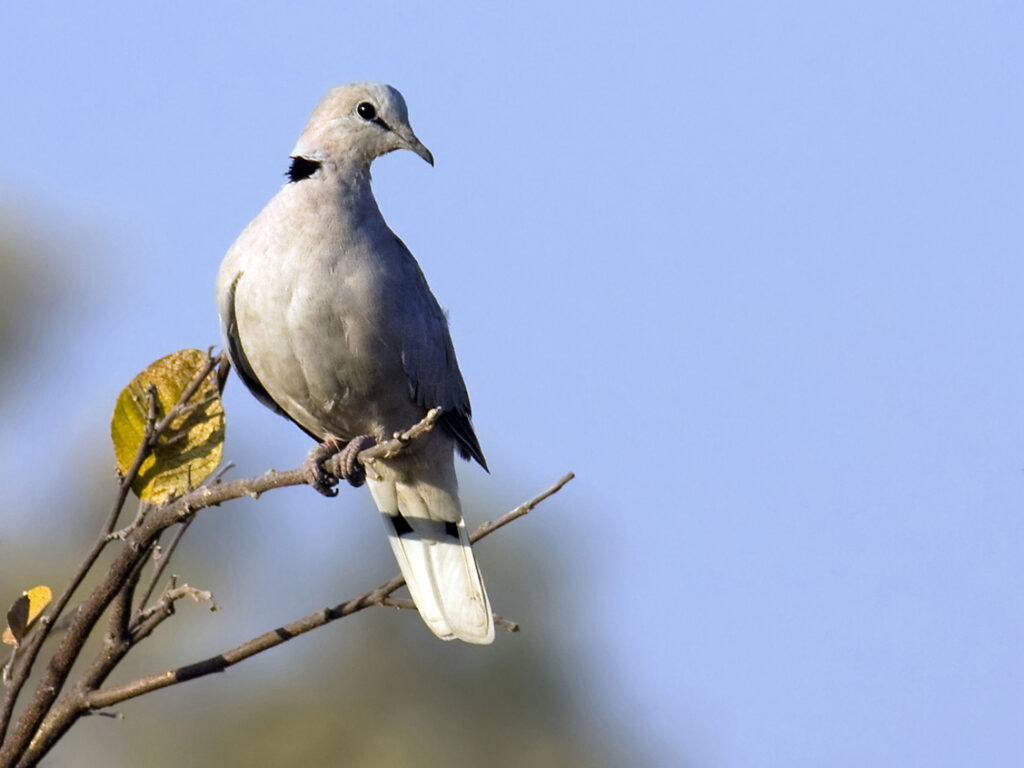
Dove Or Ringed Neck Or Cape Turtle Dove
(Stretophelia Capicola)
This dove’s far carrying sound is a common sound in South Africa. It has a black eye with a pale gray head and chest, a narrow, black hindneck patch and extensive white plumage on the tail. Their call sounds like a monotonous work-HARD-er and a koorr call upon alighting.
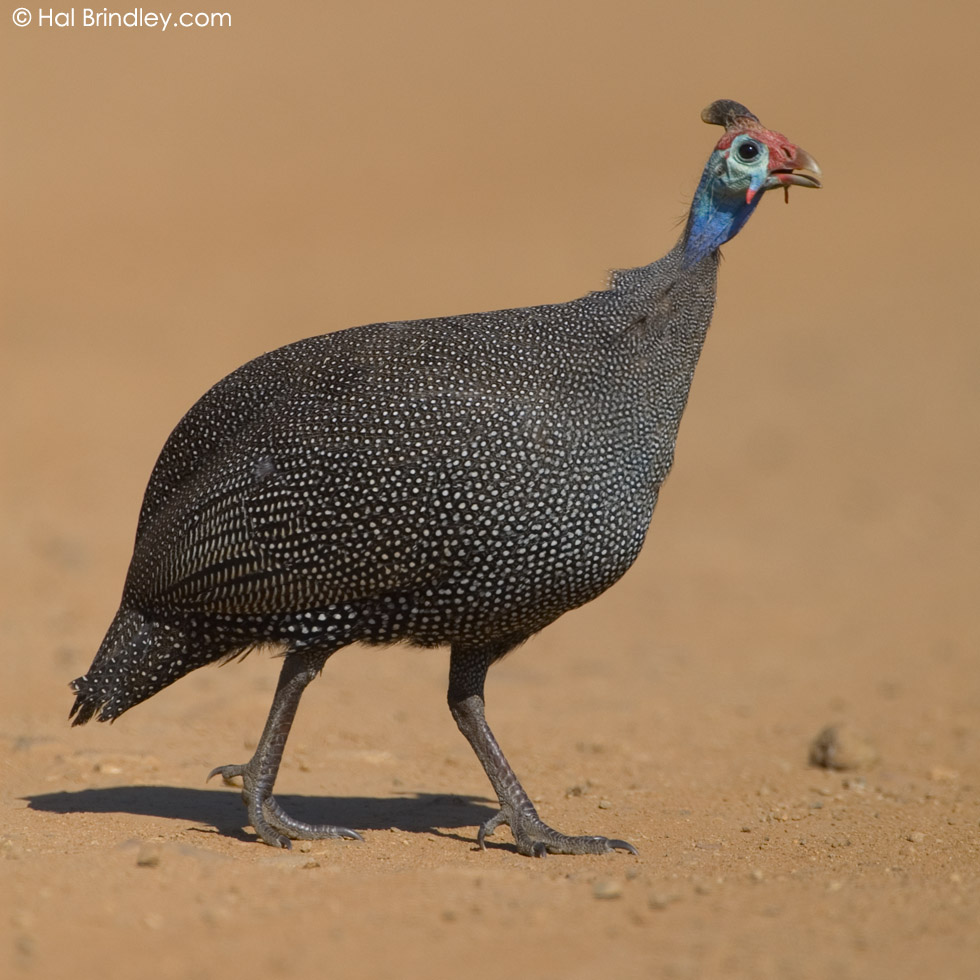
Guinea Fowl – Helmeted
(Numida Meleagris)
These fairly large birds are blackish with abundant white spots over the entire plumage. They have bright blue, white and/or red bare skin on the head with a bony casque crown. At night these birds roost in groups in trees and at dawn fly down to walk to water. The call is a grating staccato krak-krak-krak-krak-kridi-kridi-kridi-kridi. During mating season the male has a soft cheeg-cheeg call with the female responding with buck-wheat.
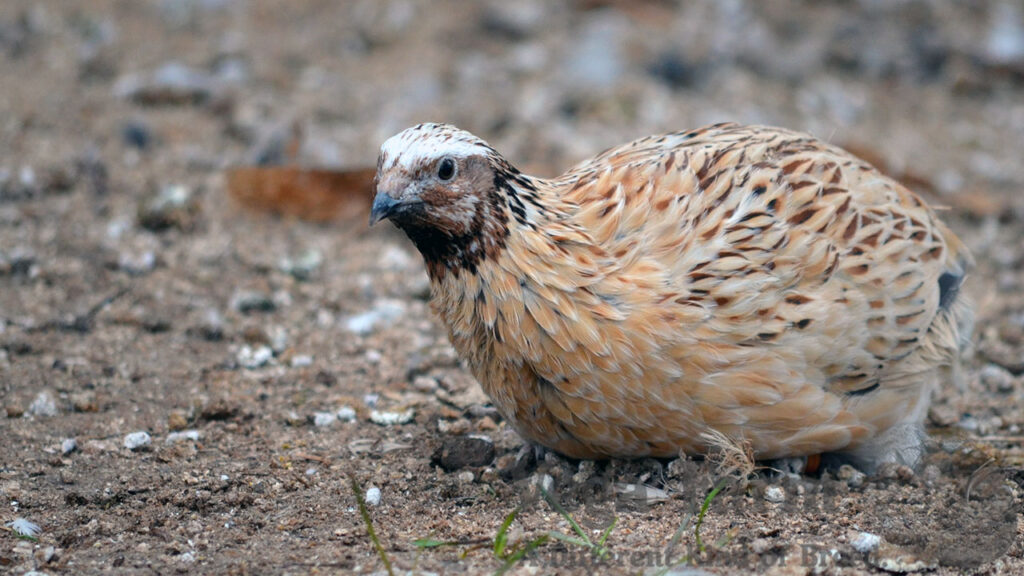
Quail
(Coturnix Coturnix)
Much like the Coqui Francolin, the Common Quail has a harlequin face pattern, but are a bit smaller.
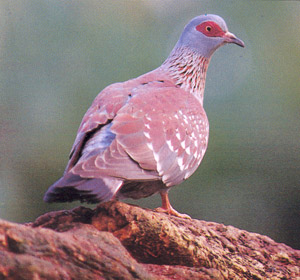
Rock Pigeon
(Columba Olivia)
This bird has a slate colored head and belly with rusty streaks on the neck. The back and wing are covered with white specks. The calls are 2 slow muffled whoor notes, followed by a series of louder and faster coo notes.
Gallery


